Micronutrients: Small Amounts, Broad Roles
Unlike macronutrients, which are required in gram-level quantities, micronutrients — vitamins and minerals — are needed in much smaller amounts. Despite their modest quantity, they participate in an extensive range of biochemical processes. For men specifically, several micronutrients have been studied in relation to energy metabolism, bone density, immune function and reproductive biology, though the degree of evidence varies considerably by nutrient and context.
It is worth noting at the outset that micronutrient requirements are established by population studies using statistical methods. The figures represent averages and are not tailored to individuals. Furthermore, the relationship between a given micronutrient and a specific biological outcome is rarely linear or simple — it is shaped by total dietary context, absorption variables and individual differences.
Fat-Soluble Vitamins
Vitamins A, D, E and K are classified as fat-soluble, meaning they require dietary fat for absorption and are stored in the body's fatty tissues and liver. This storage capacity means deficiency is slower to develop but also that excess accumulation is possible over time.
Vitamin D has received particular attention in recent decades, partly because synthesis via sun exposure varies significantly with latitude, skin pigmentation, season and time spent outdoors. In a country like Indonesia, close to the equator, solar exposure is generally high — yet urban lifestyles, indoor working patterns and cultural dress practices can substantially reduce effective sun exposure, making dietary sources and general awareness relevant.
Water-Soluble Vitamins
The B-vitamin group and vitamin C are water-soluble, meaning they are not retained for long in the body and require more regular dietary replenishment. B vitamins collectively participate in energy metabolism, nervous system function and red blood cell formation. Vitamin B12 warrants particular attention in dietary contexts where animal products are limited, as it occurs almost exclusively in animal-origin foods and its absence over time can have consequences for neurological function.
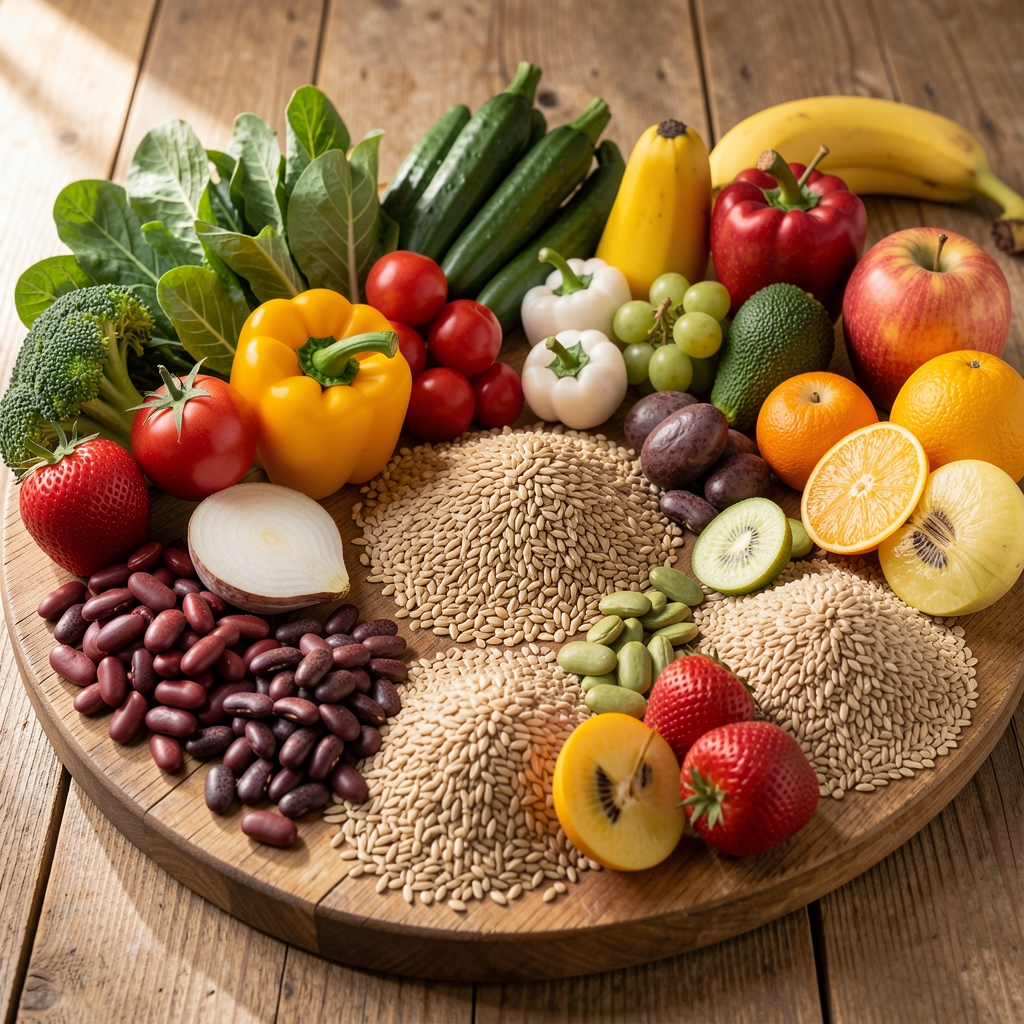
Vitamin C, found abundantly in fresh fruit and vegetables, is widely available in a varied Indonesian diet — guava, papaya, starfruit and many local vegetables provide significant amounts. Its role in connective tissue maintenance and antioxidant activity is well-established, though claims about exceptional benefit beyond adequate dietary intake are not consistently supported by controlled research.
Key Minerals in the Male Dietary Context
Minerals can be broadly categorised into macrominerals (required in larger amounts, such as calcium, magnesium and potassium) and trace minerals (required in smaller amounts, such as zinc, iron and selenium). For men, zinc has been studied in relation to enzyme activity and immune response. Iron requirements in adult men are generally lower than in pre-menopausal women, but iron deficiency remains a topic of relevance in populations with limited access to iron-rich foods or with conditions affecting absorption.
Micronutrient Sources: A Reference Overview
The following table provides a descriptive overview of selected micronutrients, their primary food sources within a typical Indonesian dietary context and their general biological role.
| Micronutrient | Common Food Sources | General Biological Role | Notes on Absorption |
|---|---|---|---|
| Vitamin D | Fatty fish (tuna, mackerel), egg yolk, fortified foods; sunlight synthesis | Calcium absorption, bone mineralisation, immune modulation | Sun exposure and dietary fat influence bioavailability |
| Zinc | Shellfish, red meat, legumes, pumpkin seeds, tempeh | Enzyme cofactor, immune function, protein synthesis | Absorption reduced by phytate-rich plant foods; enhanced by animal protein |
| Magnesium | Green leafy vegetables, nuts, seeds, whole grains, legumes | Energy metabolism, nerve signalling, muscle function, bone structure | Widely distributed; high-fibre diets generally adequate |
| Vitamin B12 | Meat, poultry, fish, eggs, dairy; fortified plant foods | Red blood cell production, neurological function, DNA synthesis | Requires intrinsic factor for absorption; absent from most plant foods |
| Iron | Red meat (haem iron), spinach, tofu, tempe, fortified rice | Oxygen transport via haemoglobin, energy production | Haem iron more readily absorbed; non-haem iron absorption increased by vitamin C |
| Selenium | Brazil nuts, fish, whole grains, eggs | Antioxidant enzyme function, thyroid regulation | Content in plant foods reflects soil selenium levels |
| Vitamin A | Liver, orange and yellow vegetables, leafy greens (as provitamin A) | Vision, immune function, skin integrity, cellular growth | Provitamin A (beta-carotene) conversion variable; fat required for absorption |
| Potassium | Banana, jackfruit, sweet potato, coconut water, legumes | Fluid balance, nerve transmission, muscle contraction | Widely available in whole food diets; abundant in Indonesian cuisine |
Contextualising the Numbers
A key point often overlooked in popular discussions of micronutrients is the distinction between population reference values and individual need. The reference values for most micronutrients are set to cover the estimated requirements of the majority of a defined population group — not to represent what any specific individual needs. Factors including cooking methods, gut microbiome composition, concurrent intake of other foods and overall dietary context all influence how much of any given micronutrient the body actually uses from a meal.
This is why nutritional research consistently emphasises food diversity over focusing on individual nutrients. A dietary pattern that includes a wide range of whole foods — from animal and plant sources, across different food groups — is far more likely to meet micronutrient requirements than one built around a small set of "optimal" choices.